
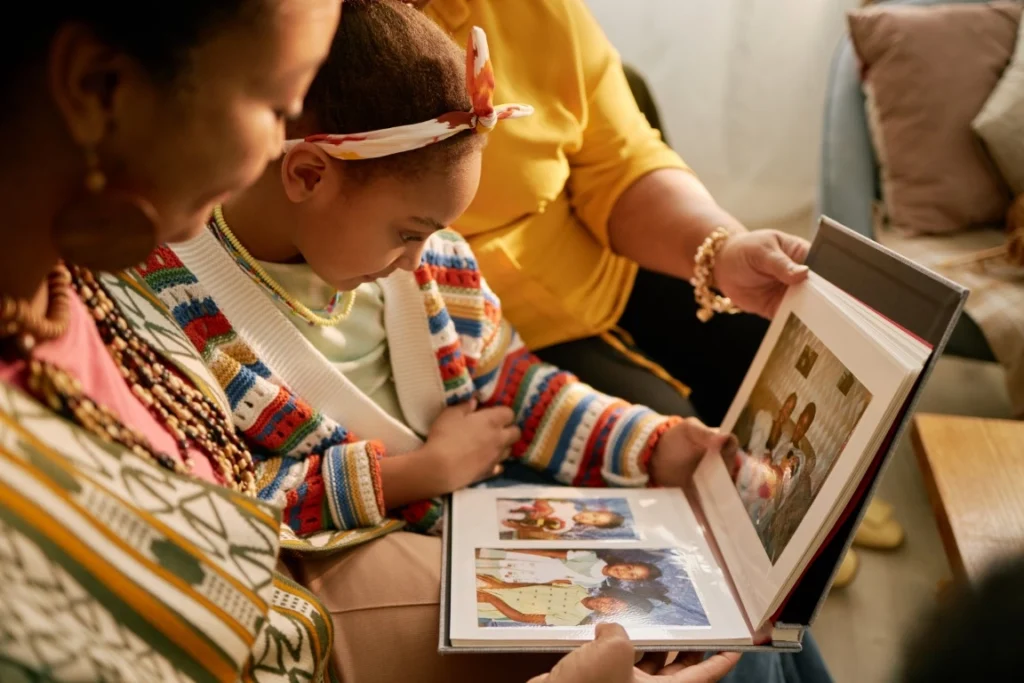
In recent years, nostalgia has become a dominant marketing and branding strategy. Consumers often seek familiarity, authenticity, and emotional connection in uncertain times, so it’s no wonder that they’re increasingly drawn to branding that reminds them of the way things used to be.
Nostalgia branding isn’t just about looking old or bringing back vintage logos; it’s about creating a sense of trust that resonates with consumers. If you’re considering a branding refresh, keep reading to learn the basics of using nostalgia in marketing, some key elements to include, some potential risks to keep in mind, and more.
The Basics of Using Nostalgia in Branding
Nostalgia as a marketing tool involves the use of memories, emotions, aesthetics, or cultural references from the past to connect with audiences. The emotional familiarity is comforting, and the positive memories evoked by nostalgic marketing can increase consumers’ trust in a brand and boost its perceived authenticity. This, in turn, influences purchasing decisions.
Nostalgic branding can include:
- Retro logos and packaging
- Vintage-inspired color palettes and typography
- Throwback advertising campaigns
- Reviving discontinued products or designs
- Referencing pop culture from specific decades

Key Elements of Effective Nostalgic Branding
Effective nostalgic branding requires more than just the visual elements we mentioned above. To truly take advantage of the power of nostalgia, brands need to lean into the emotional connection and create something that truly feels authentic.
You need to ground your nostalgia in your company’s origin story, values, and milestones. Telling the story of your company humanizes it, giving meaning to the nostalgic elements of your branding. Additionally, including messaging focused on family, tradition, community, or “simpler times” in your campaign can evoke fond memories of shared experiences, causing consumers to associate these positive emotions with your brand.
Finally, nostalgic branding works best when the customer experience matches the message. If you’re leaning into the idea that your brand represents the quality and reliability of the “good old days”, you need to deliver on that promise; otherwise, your brand will develop a reputation for being unreliable and untrustworthy.
Examples of Nostalgic Branding in Action
In last month’s blog post, “6 Branding Trends for 2026: What Businesses Need to Stay Relevant”, we talked about how established brands are increasingly ditching their simpler, more minimalistic logos and bringing back their classic designs of the past. Examples from the last several years include Chick-Fil-A, Pizza Hut, Burger King, Pepsi, Kodak, and more. These brands have successfully blended nostalgia with modern design sensibilities.
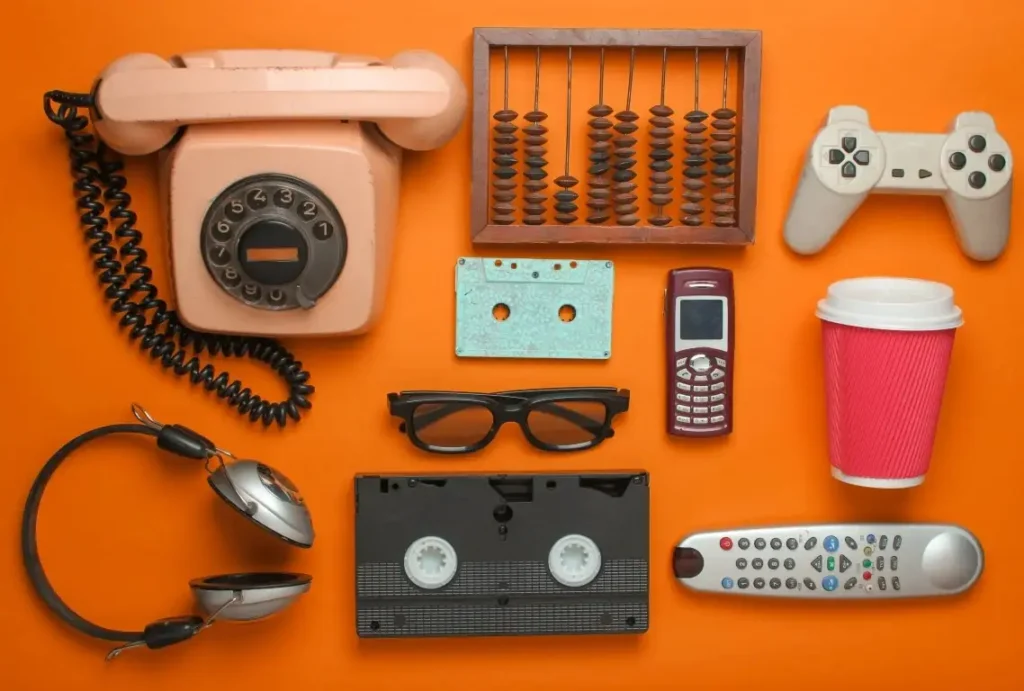
Newer businesses can use vintage inspiration, as well, even if they don’t have old logos to fall back on. Since the late ‘90s and early 2000s are trending in popular culture right now, we’re seeing a lot of emerging brands use imagery from this era, including Skims, Starface, Casetify, and more. These retro-inspired aesthetics help companies feel established and trustworthy.
Small and local businesses have a competitive advantage when it comes to nostalgic marketing: They can emphasize their community heritage, family ownership, regional history, and longstanding customer relationships to establish their trustworthiness and reliability.
The Role of Social Media in Nostalgic Branding
Social media plays a significant role in nostalgic branding because people are more likely to engage with content that evokes an emotional response. If you want to add some nostalgia to your social media strategy, here are some content ideas to consider:
- Before-and-after brand evolution posts
- Photos from your company’s past
- Retro-inspired graphics
- “Throwback Thursday” campaigns
- Anniversary celebrations
- Archived content
You can also create user-generated content by encouraging customers to share memories or experiences with the brand.
Potential Risks of Nostalgia Branding
However, there are some potential risks of using nostalgia in your branding. If not developed thoughtfully and strategically, nostalgic branding can make your company appear outdated and stuck in the past. That’s why it’s so important to balance nostalgia with innovation to keep things fresh.
Not all companies are interested in marketing toward younger generations, but if your company is trying to connect with Gen Z, keep your audience in mind. While young people often enjoy throwbacks to the past, brands should avoid relying too heavily on specific references that may be unfamiliar to them; otherwise, they risk alienating them.
Finally, overusing retro trends can feel gimmicky, hollow, and low-effort. It’s important to maintain originality in your branding and ensure everything is reinforced by your company values.
Refresh Your Branding with Performance Driven Marketing
At PDM, our goal is to help our clients create branding that is memorable and striking while still maintaining their authenticity. If it’s time to give your branding a refresh, contact us today to schedule a free consultation.