
As consumerism rises, so does the availability of cheaply made products, “AI slop,” low-effort content, and minimalist branding that looks the same across the board. This could be why we’re now seeing a push for authenticity and a return to the “good old days” when products were carefully handcrafted, companies had deeply rooted values, and we weren’t so focused on the latest trends.
That’s where heritage branding comes in. Recently, we discussed how to use nostalgia in marketing. Heritage branding is a similar concept, positioning companies and products as authentic, high-quality, and grounded in tradition.
In this blog post, we’ll take a closer look at why heritage branding is becoming more popular, how to use it in your brand strategy, and more.
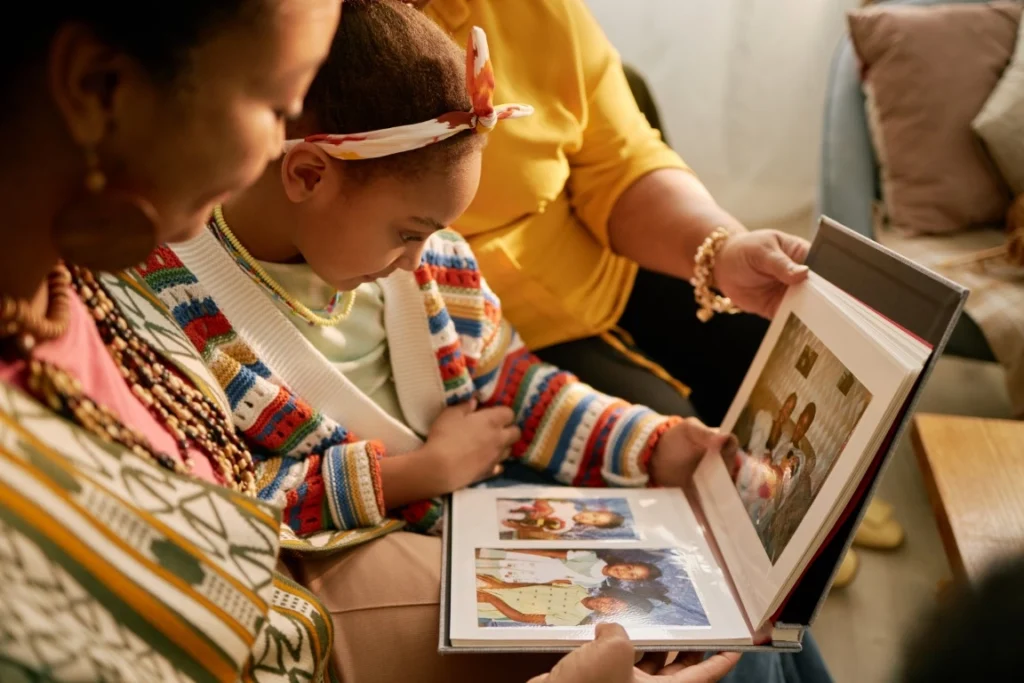
Why Heritage Branding Is Becoming More Popular
Consumers are growing more and more skeptical toward overly polished brands that are constantly chasing trends. Instead, many people are drawn toward timeless brands with a lasting identity. They crave authenticity rather than empty promises.
Heritage branding signals stability and credibility, helping brands appear enduring rather than temporary. By celebrating “real stories” and long-standing traditions, brands can feel more grounded and established.
Additionally, because the economy has taken a downturn in recent years, brands — especially those offering luxury products — are looking for a way to justify their high prices. Their hope is that by adding bells and whistles to their branding and framing their products as “timeless” and “handcrafted” — whether that’s true or not — people will be more willing to shell out the money for unnecessary items.
Another effect of economic uncertainty is that consumers will often gravitate toward familiar experiences. Nostalgia creates emotional resonance, reminding audiences of when times were better. This is true even for younger audiences — every generation tends to romanticize eras they did not personally experience. Companies aim to use this emotional connection to their advantage, making audiences more likely to purchase their products.
The Difference Between Heritage Branding and Simply Looking Vintage
Successful heritage branding is rooted in genuine history, values, or craftsmanship. It requires a story that doesn’t just resonate with audiences, but is grounded in reality. Consumers can detect inauthentic branding attempts and fake nostalgia — simply copying retro trends without substance won’t produce the kinds of results you’re looking for. It’s also important to balance tradition with modern sensibilities. It’s not enough for brands to honor history; they need to show they’re relevant in today’s world.

Industries Where Heritage Branding Performs Especially Well
Even if your brand is not what we think of as a “heritage brand”, you can still use elements of heritage branding in your marketing. Here are some industries where this strategy can work really well:
- Food and beverage: Emphasize traditional recipes, craft a family-owned narrative, and use vintage-style packaging.
- Fashion and apparel: Focus on craftsmanship and durability in messaging and consider releasing retro collections with archival designs.
- Hospitality and tourism: Highlight historic buildings and destinations along with local culture and traditions.
- Luxury and craft industries: Show customers handmade and traditional production methods and multi-generational expertise.
How Businesses Can Incorporate Heritage Into Their Branding
Now, let’s get into some ways you can incorporate heritage branding into your strategy:
Use Content Marketing to Share Brand History
Take a look at the history of your company or brand. Identify any unique milestones, traditions, or founding stories you could use to show its heritage. Use these elements in your brand’s messaging to convey quality, reliability, and authenticity. For example, you could share behind-the-scenes stories, historical timelines, employee and founder spotlights, and old photos in your content.
Refresh Branding
The right logos, colors, and fonts can be a visual shorthand for your brand’s identity. If it’s time for a refresh, be careful to retain the most recognizable visual elements so consumers can still recognize your brand. Even small changes can make a big difference in consumer perception.

Highlight Craftsmanship and Expertise
Showcase the process of making your products, the quality standards you hold them to, and your company’s experience. When people see the value of your products and what sets them apart from the competition, your brand will appear more credible.
Connect Nostalgia to Modern Values
The modern consumer values sustainability, community involvement, human-centered customer experiences, and true quality over quick consumption. Connect nostalgia for the past with these modern values by framing it as a return to the “better times” of days gone by.
Trust the Branding Experts at Performance Driven Marketing
At Performance Driven Marketing, we specialize in creating brand strategies tailored to our clients’ specific needs. From logos and promotional materials to websites and content, we do it all. If you want expert help crafting a brand that’s effective and memorable, contact us today to schedule your free consultation.