
Mascots or puppets have been popular for generations, especially for brands that are marketing their products to younger audiences. However, having a personified character for your brand can provide a number of benefits even if you are not marketing to adults. Many of us have seen a variety of mascots, puppets, or personified objects in our daily lives, including the Michelin Man, the GEICO gecko, the Liberty Mutual Liberty Biberty, and the Duolingo Owl. But can your brand benefit from a mascot like these other large companies?
In an ever-changing marketing world, it can be hard to find something that sticks. Mascots and puppets provide an immersive experience that can adapt with the trends and interact with audience members in a trending way. Let’s explore how mascots are leading the shift toward narrative marketing.
What Is A Brand Mascot?
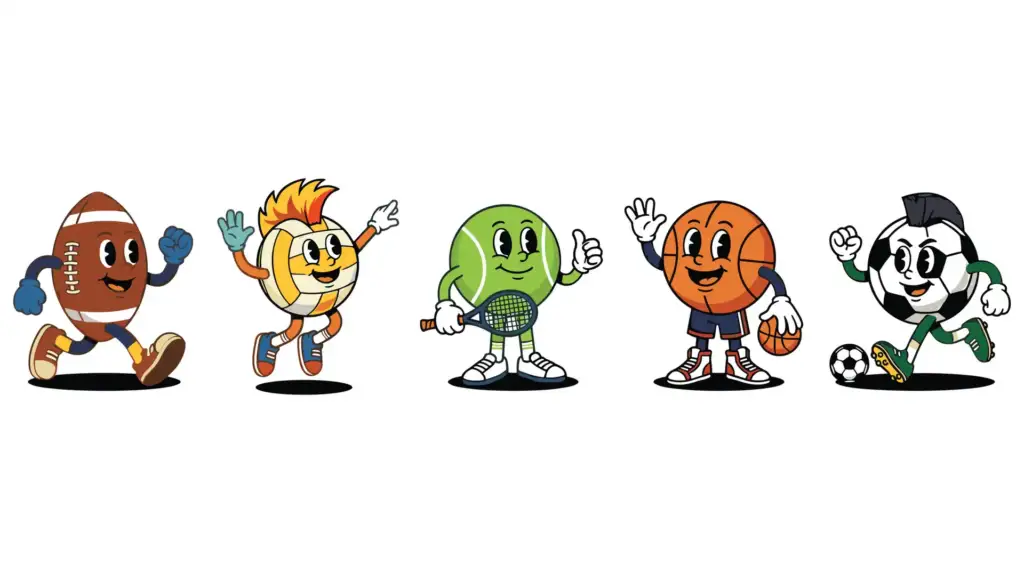
Brand mascots are characters that help to promote the brand or share a positive narrative about the brand. Mascots who have a backstory and depth are proving to be valuable for a variety of brands because they are relatable and memorable. These characters can be a person, animal, or object, all of which are living and moving to help infuse the brand with more personality.
Common mascots you may recognize and can pull inspiration from include:
- Mr. Peanut
- Ronald McDonald
- Mr. Clean
- Mickey Mouse
- Jolly Green Giant
- Wendy
- M&M Spokescandies
- Tony the Tiger
Tapping Into Customer Emotions
Similar to celebrity endorsements, including a mascot in your marketing helps customers to make personal and continuous connections with your company and products. Adorable, friendly, and colorful mascots tap into the emotions of customers, helping them to feel more comfortable purchasing from your company or interacting with your social media. If your brand is focused on emotions, your company can benefit from a mascot that is well developed. Tapping into the emotional response of consumers will help you build stronger relationships with your target audience.
Building A Stronger Brand Image
Familiarity and nostalgia are two other emotions that customers attach to mascots, puppets, or fictional characters. Successful mascots who have a core identity and personality will last the test of time. Those who grow up with consistent characters tend to see them as cherished icons, leading them to choose your brand over others they have never heard of. The cliché “a picture is worth a thousand words” truly applies to using mascots for your company. A picture is truly more memorable than a brand name; for example, Mickey Mouse is recognized by over 90% of Americans.
Upgrade Your Existing Marketing Efforts
Utilizing a mascot in your marketing is a great way to keep your brand fresh and help you hop on trends with ease. For example, your mascot can comment on or participate in current events or funny memes on social media platforms without disrupting your other professional marketing materials. Mascots can be the ones to respond to questions on your social media platforms or follow silly dance trends that may just go viral. Duo the Owl is one of the most iconic mascots known to do this in the modern social media world. Duo can be seen dancing, roasting users on TikTok, or leaning into the joke that he will hunt you down if you skip your Duolingo lesson.
While this can be fun for your customers to see, this also doesn’t have to bleed into your other promotions or what your brand truly offers. Your brand can benefit from a mascot if you want to build your presence on social media, while keeping your website more professional. This helps your brand become more recognizable and builds a community. Mascots become a conversation starter, helping your brand to spread by word of mouth. New customers may look into what your brand offers, leading to purchases in the future.
The Challenges Of Incorporating A Mascot Into Your Brand
If you feel your brand can benefit from a mascot, there are some challenges you should be aware of.
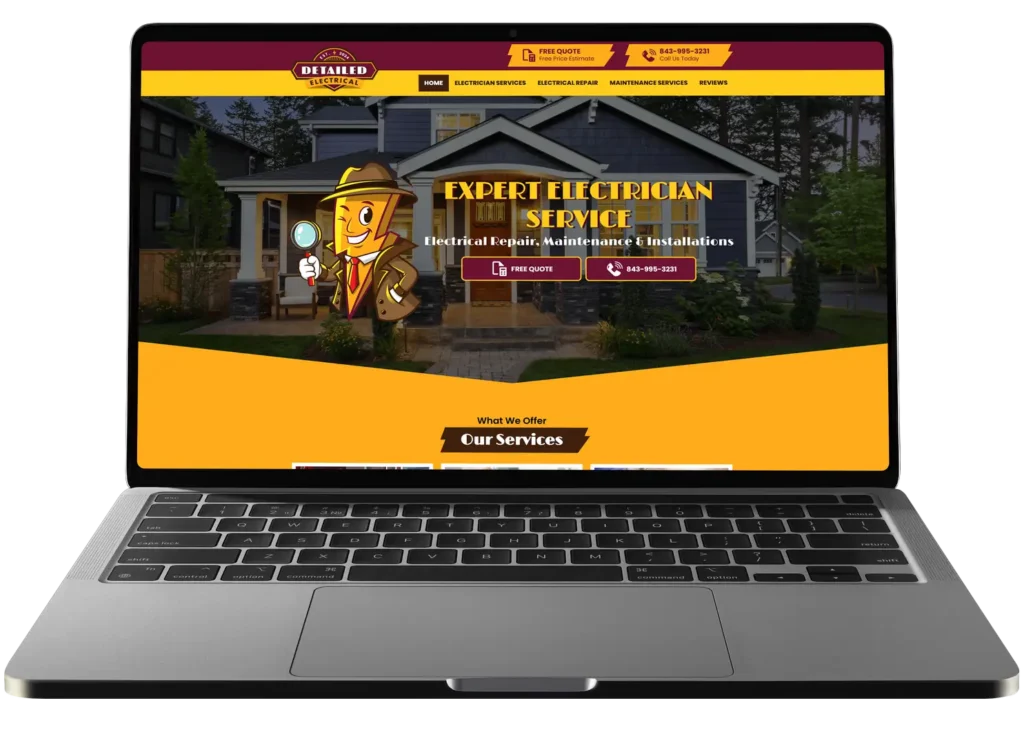
The first challenge is the investment of time, money, and human resources it takes to develop a quality mascot. Not only will you need time to design and develop the physical aspects of the mascot, but you will also need a team to help give the mascot a voice, personality, and animations. Even if you animate an inanimate object, the process will involve a large team of people to create the animation or still images. Your mascot should reflect your brand’s attributes and values, which may make it difficult to find an animal or person who truly aligns with your brand.
Greater inclusivity is also important as more brands fill the online space. Mascots should be able to resonate with different demographics, especially if you have a wide audience. Even if your created mascot is culturally appropriate, the way they interact online and the trends you follow will also need to be culturally sensitive.
Lastly, there is no magic formula to create a successful mascot. Similar to your daily marketing strategies, your mascot strategies may not immediately land or lead to a viral video. Mascots should be eye-catching and unique, but you also can’t rub your audience the wrong way. Taking your time to design and launch a mascot is better than rushing into the project, damaging your brand persona.
Marketing Advice From PDM
Our marketing team is filled with real people who are dedicated to helping you achieve more brand awareness and higher sales. With over 15 years in business, we know how marketing can change at the drop of a hat. Performance Driven Marketing offers internet marketing, AI marketing, graphic design, paid advertising, and more. Reach out to our team to elevate your marketing strategy!